 9 March 2026
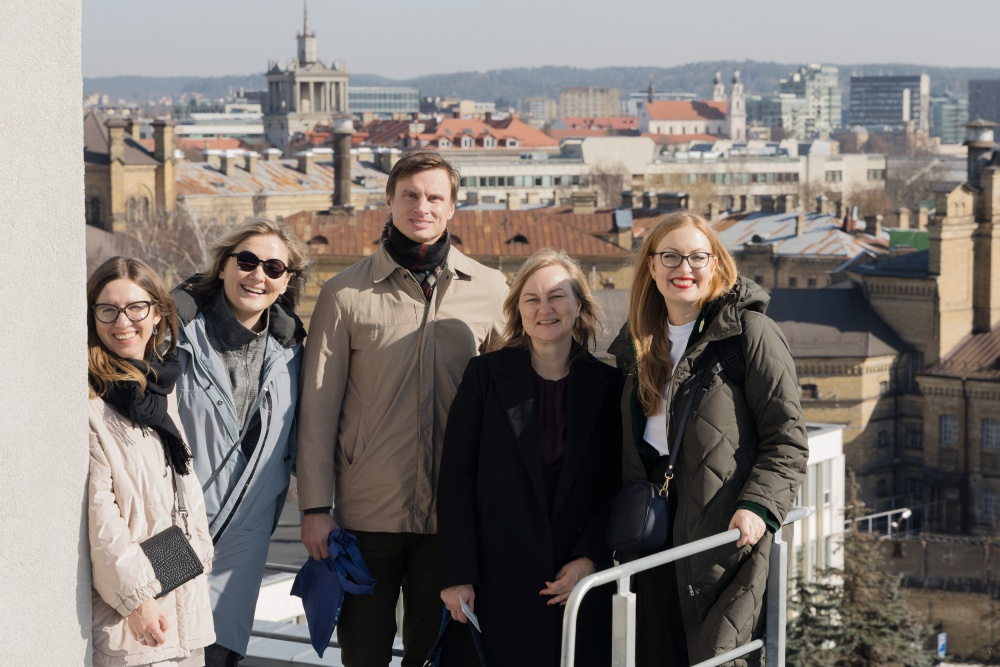
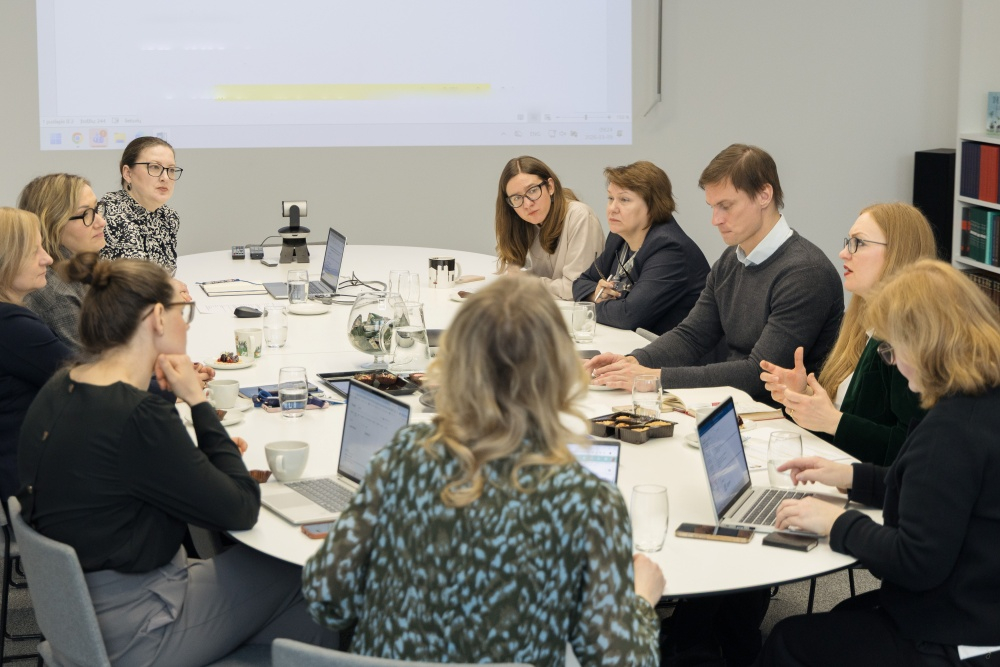
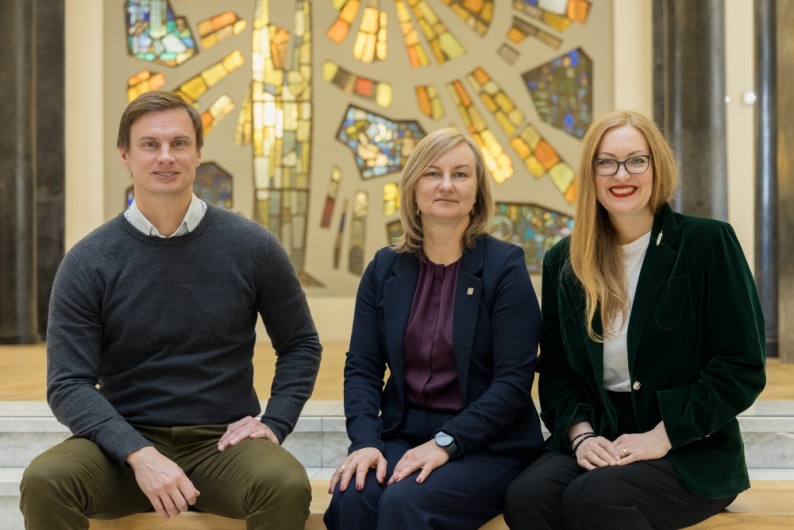
Aušrinė Žilinskienė, Director General of the Martynas Mažvydas National Library of Lithuania, organised a meeting of the heads of the national libraries of the three Baltic States. The directors of the Lithuanian, Latvian, and Estonian libraries agreed to strengthen their strategic partnership, emphasizing the importance of neighbourliness in addressing geopolitical challenges, protecting cultural heritage, as well as the need for regional representation in European institutions.
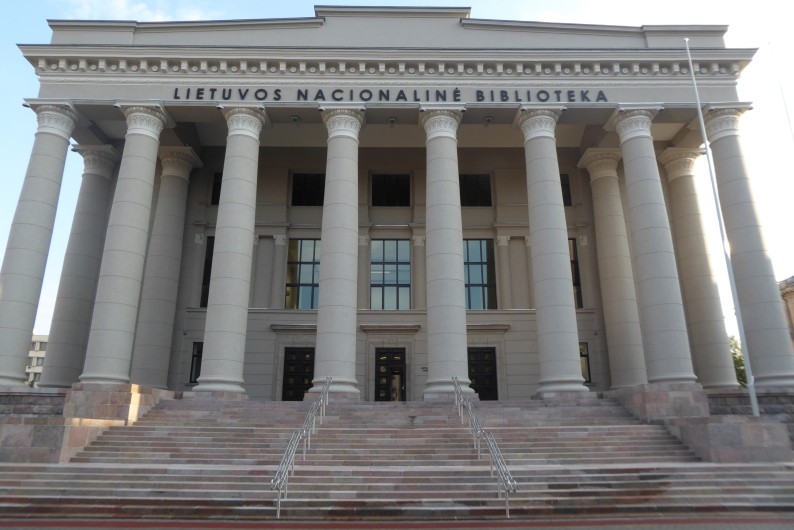
This meeting, held at the National Library of Lithuania, marks a new stage of cooperation – all three directors took up their current positions in 2023–2024. The Director General of the National Library of Lithuania welcomed Dagnija Baltiņa, Director of the National Library of Latvia and a recognized UNESCO expert, and Martin Öövel, Director General of the National Library of Estonia.
According to A. Žilinskienė, today keeping close ties with our closest neighbours is not a choice, but a necessity. “This meeting is a natural continuation of our relationships with our neighbours and closest colleagues. It is also an opportunity to discuss the most pressing issues for all three institutions. One of them is the LiLaEst forum organized by our library this year, which will be dedicated to cultural identity and its transformations. The geopolitical situation also dictates new rules to which we must adapt”.
At the working meeting, the heads of national libraries discussed areas in which the Baltic countries could work together:
Guests were introduced to the “eCulture” platform, which will be launched in May and will feature more than 1 million cultural objects, and also over 100 virtual cultural stories. The platform is being developed by the National Library of Lithuania in collaboration with more than twenty partners.
All three leaders emphasized the social function of libraries. Latvian representative D. Baltiņa highlighted the goal of making libraries a pillar of values for every resident. Estonian leader M. Öövelis highlighted the importance of cooperation with educational and scientific institutions in order to increase social inclusion, while A. Žilinskienė emphasized the importance of cultural heritage as the basis of national memory and citizenship, as well as the significance and accessibility of digitization.